
Interview with James Kruger

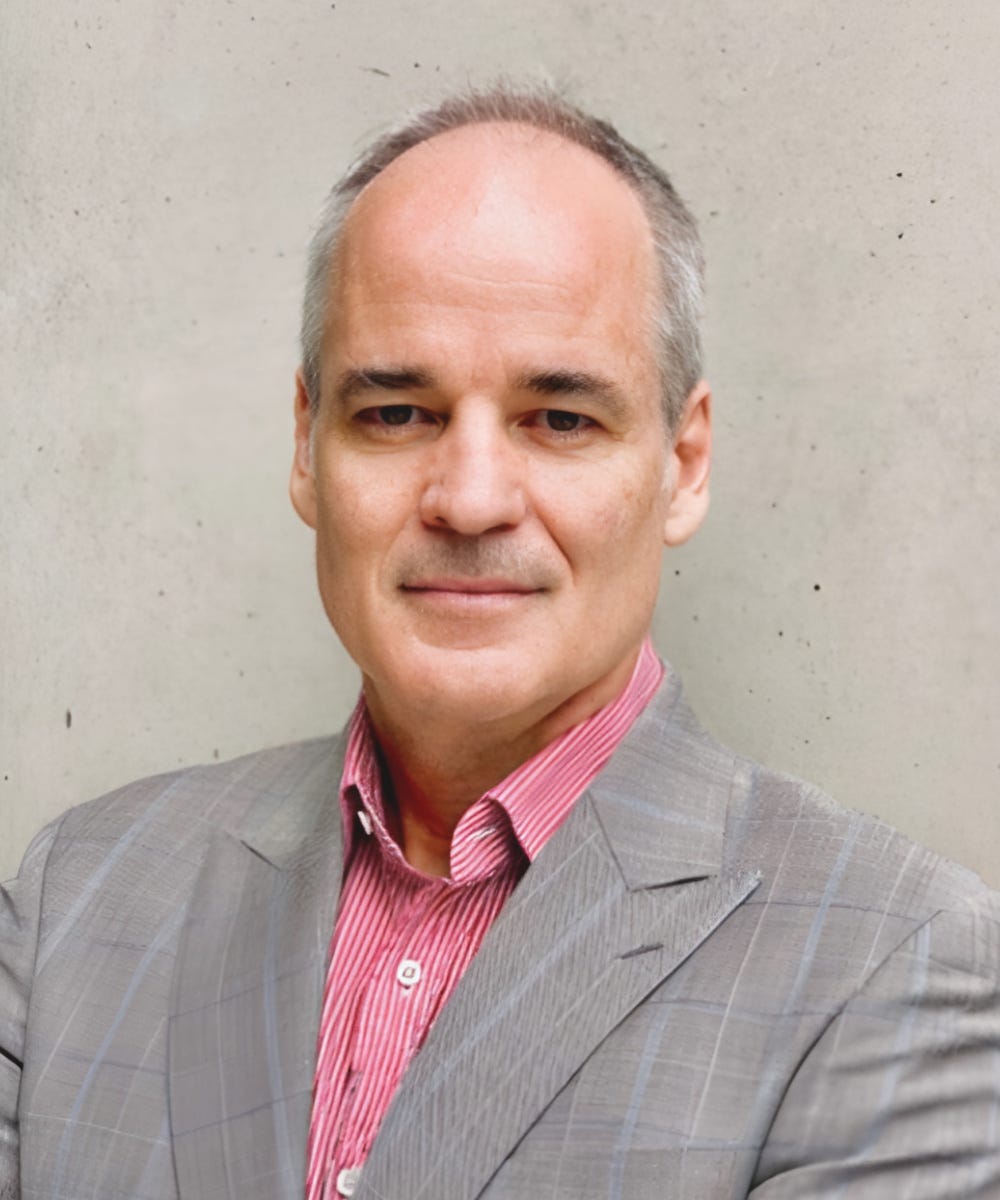
I am thrilled to be able to share the Deep Tech Journey of James Kruger, who is the Executive Chair of Powerhouse Ventures, a Queensland-based, ASX-listed investment firm that has a particular interest around deep tech companies in areas like cleantech and quantum.
How have you ended up involved in deep tech?
After 15 or so years as a legal counsel and risk officer for the commodities and trading areas of Macquarie, I needed a change. I moved into corporate finance with a focus on technology. This was around 2016. I was based in Hong Kong and traveling a lot through Asia and US a lot. I was witnessing first hand the scale of EVs and new mobility adoption, e.g. Tesla and Grab/Uber/Didi. And at Macquarie commodities we had close connections to Korea and Japan and the battery makers, so I could see all the supply chain considerations in battery minerals that were coming. I also met the founder of Quantinuum through a mutual friend, and was exposed to the promise of Quantum Computing. So, short answer - cars and qubits.
What do you think needs to be considered when investing in deep tech, compared with other types of startups?
Deep Tech has equal doses of market risk and technical risk. Consumer Tech has mostly market risk; biotech mostly just technical risk (if the drug works there will be demand). So, for Deep Tech you need to understand both. You have to get your head around the market and try forecasting where it will go; you need to apply systems thinking to what types of mousetraps will be adopted - when, where, how. And then you need to understand technical risk - when the science risk will turn to engineering risk and then what amount of capital will be required to scale out (or miniaturize) the engineering.
And then you have to try to piece all that together and work out if all those risks can be be repeatedly accommodated in the capital cycles of the Company.
Can you give an example (or two) of a deep tech company you’ve been impressed by?
I was fortunate to be a very early investor in Quantinuum, which I believe will get there ahead of all others in that race.
In Australia, Liquid Instruments is just a great example of a company that does a lot of things right (product roll-out; US-Aust blend; supply chain; leadership), and investor engagement.
What do you see happening overseas with deep tech that you would love to see happening in the Australian ecosystem?
There are a lot of positives about Australia - can do attitude, ingenuity, legal certainty, pension fund money, research institutions… so I don’t want to launch into a list of gripes before recognising that there are many positives. But, yes there’s a list of general shortcomings (economic complexity, industrial pull through, decline in manufacturing share of GDP, decline in productivity, decline in cost certainty on capex).
I think Australia has to start by first looking carefully at the financial system and the gates and skewed incentives within it. The making of a new widget can and should be something that is more standard practice within the financial system. There’s not much business lending, or corporate venture capital (outside of mining autonomy), and the depth of Series B-C financing is thin (Super Funds command close to TRL 9 at the moment).
The potential levers within the financial system that we should think about:
To increase normal business lending: Multiply the franking credits on Regulated Banks’ listed equity when the dividend income is derived from business lending revenue. In addition or in the alternative, one could cap and/or reduce the franking credits attaching to residential mortgage revenue. This would have an effect of decreasing the cost of capital for business financing activities and provide incentives for Banks to do more there.
To increase CVC activity: extending the Early Stage Investment Company tax relief (ESIC) style relief to Corporate Tax payers investing in below TRL 7 e.g. new manufacturing.
To increase super fund participation in Series B-C): extending ESIC to super funds for below TRL 7 activities. Excluding the new capital gains tax regime within super funds when the gain is derived from non land rich activities.
What do you look for in deep tech founders for you to know whether they are up for the startup journey?
You need to run the shop and finance the shop and you need to be able to employ science and engineering types (smart people) that might be neuro-diverse. Not easy. What I look for: Ownership (without excessive pride), Resilience (but with vulnerability and trait openness) and really just general EQ (not living in one’s own heads too much).
What podcasts/books/people have influenced your perspective on investing in deep tech?
Podcasts: The Knowledge Project to name one that is perhaps not obvious.
Books: Chip War
People: I think the people at Investible are very good.